
Zara Vogel · 1 October 2026
Frequency Tuning Mechanics Behind Discovery Algorithms for Independent Publishers
Discovery algorithms employed by major platforms rely on frequency tuning mechanisms that adjust how often certain signals from independent publishers receive evaluation and amplification, and researchers continue to map these processes as they evolve through iterative updates in ranking systems.
Frequency tuning operates by modulating the rate at which content attributes such as update cadence, keyword density patterns, and engagement velocity receive weighting within recommendation and search models, while platform engineers calibrate these parameters to balance freshness against relevance across diverse publisher ecosystems.
Core Components of Frequency-Based Signal Processing
Algorithms process publisher signals through layered filters that detect periodic bursts in content production and audience response, then apply tuning coefficients to elevate or dampen visibility accordingly, and data from platform transparency reports indicate that these coefficients shift based on aggregate traffic patterns observed across millions of sites.
Independent publishers often notice their content surfacing in discovery feeds when their posting rhythms align with tuned frequency thresholds that algorithms have learned to associate with higher user retention, yet misalignment can result in reduced indexing priority until adjustments occur through subsequent crawls.
Algorithmic Calibration Across Platforms
Engineers at search and recommendation providers fine-tune frequency parameters by analyzing historical data sets that capture how content from standalone sites performs under varying publication schedules, and studies from academic institutions show that these calibrations incorporate regional differences in user behavior to avoid uniform application across global markets.
One documented approach involves dynamic adjustment of sampling intervals so that algorithms check for new signals more or less frequently depending on publisher category and historical consistency metrics, while external audits reveal that such methods help maintain system stability amid fluctuating content volumes.
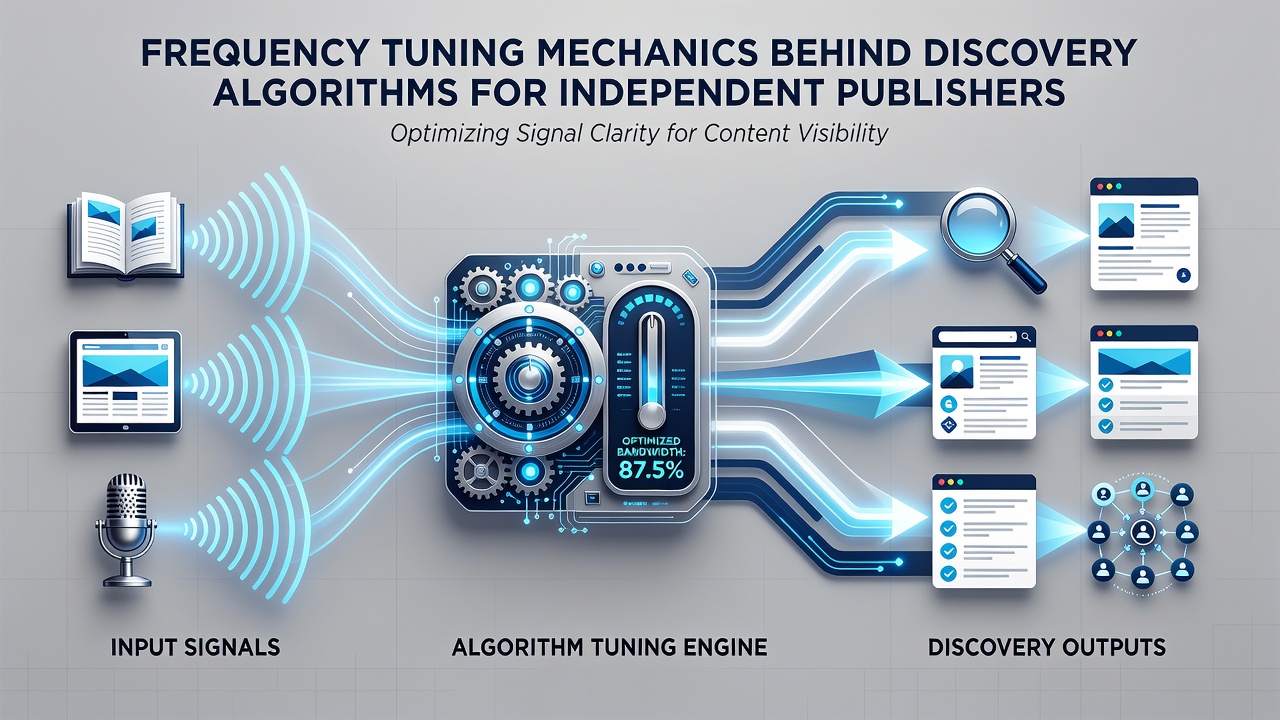
Platform operators release periodic documentation describing how frequency tuning integrates with broader ranking factors, and a European Commission report on digital services outlines requirements for clearer disclosure of these mechanics to support smaller publishers operating outside major networks.
Impact on Content Visibility Cycles
Independent publishers experience visibility fluctuations when their content update frequencies fall outside the ranges that current tuning models prioritize, and observers tracking these patterns note that adjustments in October 2026 reflected refined handling of long-tail publication schedules common among standalone sites.
Research indicates that tuning thresholds can favor publishers who maintain steady output intervals while still accommodating irregular but high-value contributions, and figures from industry analyses demonstrate measurable differences in reach when frequency parameters receive recalibration during major algorithm refreshes.
Technical Implementation Details
Developers embed frequency tuning within machine learning pipelines that treat content arrival rates as time-series inputs, then optimize model weights to predict which signals merit accelerated processing, and this setup allows algorithms to respond to emerging publisher activity without constant manual intervention.
Testing environments simulate various publication rhythms to evaluate how tuning affects downstream ranking outcomes, whereas real-world deployment requires continuous monitoring to ensure stability across diverse content types and audience demographics.
Regulatory and Industry Context
Government bodies in multiple regions have begun examining frequency tuning practices as part of broader inquiries into platform fairness for independent creators, and a Australian Competition and Consumer Commission review highlights the need for transparent parameter documentation that helps publishers understand visibility determinants.
Industry groups continue to develop shared frameworks for reporting on these mechanics, which in turn supports more predictable discovery pathways for publishers who operate without direct platform partnerships.
Conclusion
Frequency tuning remains a foundational element within discovery algorithms that shape how independent publishers reach audiences, and ongoing refinements reflect efforts to accommodate varied content production patterns across the web ecosystem. Data from regulatory disclosures and academic examinations continue to clarify these processes, offering publishers clearer insight into the parameters that influence their content's algorithmic treatment.